Caramelized Beef Liver

Standard

At a talk I attended, Michelle Tam of Nom Nom Paleo was asked how she recommends cooking organs to make them taste better. She answered that, “bacon never hurts.” I agree!

I also think that caramelized onions help to sweeten the sometimes bitter flavor of Nose to Tail eating and I have consequently become a big fan of caramelized beef liver.

Eating organs is something that takes getting used to, and the recipes often sound less than appealing, but the protein-rich, nutrient-dense boost is well worth trying out (at least once). It’s also makes a good pairing with a light summer salad.

Here are the impressive facts about beef liver:

  • It has about 3.5 times more phosphorous than red meat
  • It has over 100 times more vitamin B12 than red meat
  • It has more than double the iron found in red meat
  • It has nearly 4 times the vitamin C than apples
  • It has about 6 times the folic acid of carrots

And don’t worry, while the liver is the organ that detoxifies the body, it does not store these toxins. Actually, what the liver does store is various vitamins and minerals; these are necessary to enable the organ to perform its role in the body. So try not to shy away from this dish before you have tried and tested it for yourself.

INGREDIENTS

1 tablespoon coconut oil
1/4 pound organic beef liver
1/2 a large onion, sliced to form rings

RECIPE

In a medium pan, melt the coconut oil over medium heat.
Add the beef liver and cook for about 2 minutes, turning midway.

http://www.healthylifemarket.com/portfolios/organic-prairie-beef-liver/
Place the onion rings alongside the beef liver in the pan and continue to cook on medium heat for approximately 6 minutes, or until the liver is well cooked and the onions have begun to brown; flip both the liver and onions periodically.
Remove the liver from the pan and slice before plating.
Top the liver strips with the onion rings and serve while hot.

Let me know how you like it!

Camilla Carboni
@camillacarboni | camillacarboni.com

Natural Summer Skin Treatments

Standard

As wonderful as summer is, the beating rays can cause damage to exposed skin. Luckily, there are some natural ingredients that are most likely already in your kitchen which can help to prevent and to heal sunned skin.

http://nutritionfacts.org/2013/07/30/is-coconut-oil-good-for-you/ Coconut Oil

Coconut oil is as beneficial to your skin as it is to your cells. Unlike most store sold moisturizer, coconut oil is fat based and petroleum free. Most moisturizers are water based, leaving your skin dry after the water dries, and have many artificial ingredients (and in some cases perfumes) for commercial benefit.

The natural oil content found in coconut oil makes it a wonder-drug for naturally preventing dry skin and for nourishing hair follicles. Just buy organic, extra-virgin coconut oil–that way you know it’s free of GMOs, bleach and perfumes.

Apply coconut oil to your hands, feet or any other dry areas and use it as a deep conditioning hair mask, allowing the oil to penetrate for 10-20 minutes before rinsing thoroughly (from personal experience I don’t recommend using it as a leave-in conditioner as it can leave your hair looking oily).

The natural fat content of coconut oil leaves skin moist and smooth and hair shiny and hydrated; what’s more, it has anti-viral, anti-fungal and anti-bacterial properties.

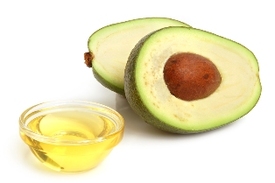
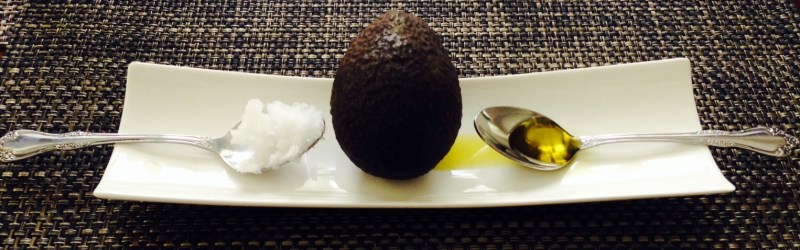
http://www.aromaoilstore.com/avocado-oil.html Avocados and Avocado Oil

Like the coconut, avocados are an excellent source of natural fat. They also contain various essential oils and vitamins, such as vitamin E, that your skin can benefit from.

The vitamin E content makes avocado perfect as a dry skin solution, while the humectants found in the peel provide additional moisture.

The oily contents also make for a hydrating scalp treatment and a natural oil-bath.

http://gyaandarpan.com/tag/olive-oil-massage/ Olive Oil

Last but not least, olive oil is not only great on summer salads, it’s rich in fatty acids, making it great for the skin as well.

A completely natural exfoliant can be made by mixing equal parts salt and olive oil.

Olive oil has also been popularized as a natural shaving cream alternative that helps prevent summer skin rashes, and as an excellent way to clean BBQ grease off your hands!

That’s more than you bargained for out of your Paleo kitchen oils, I’m sure. Now that’s making the most of summer!

Camilla Carboni
@camillacarboni | camillacarboni.com

Flourless Paleo Pancakes

Standard

Who wants to give up pancakes? Nobody! The great news is that even when practicing a Paleo lifestyle you definitely don’t have to.

This Flourless Paleo Pancakes recipe includes just four ingredients and requires just four necessities: a food processor, a small sauté pan, a spatular and an appetite for melt-in-your-mouth deliciousness.

INGREDIENTS

1 egg
1 small banana
1/2 cup walnuts
1 tablespoon coconut oil
Extra coconut oil for grilling

RECIPE

Add the egg, banana, walnuts and coconut oil to a food processor.
Pulse until a batter is formed.

Flourless Paleo Pancake Batter
Melt about one flat teaspoon of coconut oil in a sauté pan over medium heat (repeat this step for each pancake) and then place 2 to 3 scoops of the batter in the center of the pan.
Lift and swirl the pan slightly every so often to ensure the coconut oil surrounds the batter throughout the cooking process. Then, using a spatula, press inward around the edges of the pancake to ensure that a compact outside edge forms. Continue this process until the underside of the pancake is compact enough to be flipped.

Flourless Paleo Pancakes Method
Slide your spatula underneath the pancake and flip gently.
Press down slightly with the spatula to flatten the pancake marginally and allow to cook for about another minute before serving.
Repeat these steps with the next pancake…and the next!

This recipe makes about four pancakes, each 3-inches in diameter.

SERVING SUGGESTION

For added decadence and a sweet touch to the moist pancakes, top with fresh strawberry slices and sprinkle with cinnamon or cacao powder before drizzling with honey or agave.

Tip: Flourless dessert is not the easiest of items to make. Don’t be too judgmental on your pancake shapes and first round attempts–they’re a delicate business and are mastered with practice.

Enjoy!

Camilla Carboni

@camillacarboni | camillacarboni.com

Eating Nose To Tail

http://justoffal.wordpress.com/tag/fergus-henderson/
Standard

Eating Nose to Tail is one of the Paleo Diet principles. The concept stems from our Paleolithic ancestors, who enjoyed every bit of the prized game they hunted. Nose to Tail literally refers to eating all of the animal, instead of discarding ‘unwanted’ pieces, such as the heart, tribe and tongue. This eating style has been revisited in modern times and has grown in popularity over the past few years.

Fergus Henderson, British Chef and Author of Nose to Tail Eating: A Kind of British Cooking, is famous for stating:  “If you’re going to kill the animal it seems only polite to use the whole thing.”

Politeness aside, research has shown us that various nutrient sources and healthy fats are found in the bits we tend to avoid. Moreover, most meat eaters shy away from the organs, making them a fairly economic option. So, the next time you see marrow, liver, kidneys and spleen on the menu, you may want to take it seriously.

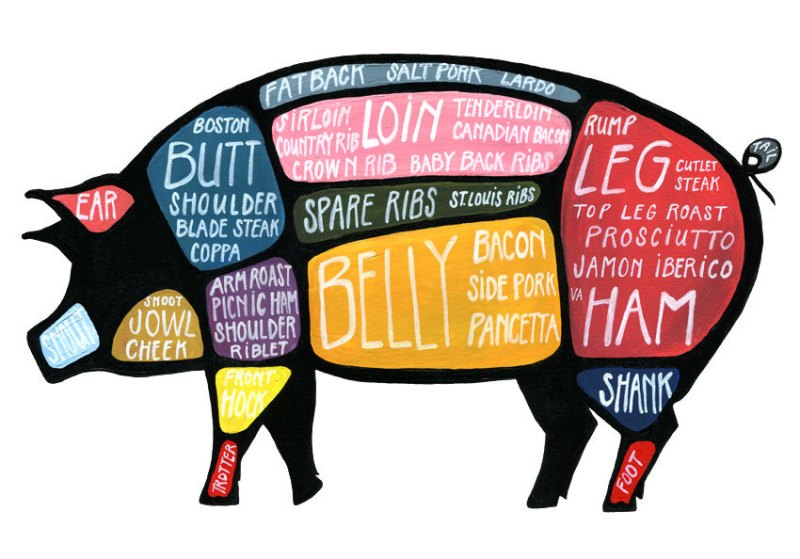
Want a guide to Nose to Tail? This is the best one I could find:

http://bk.asia-city.com/restaurants/article/nose-to-tail-trend-bangkok

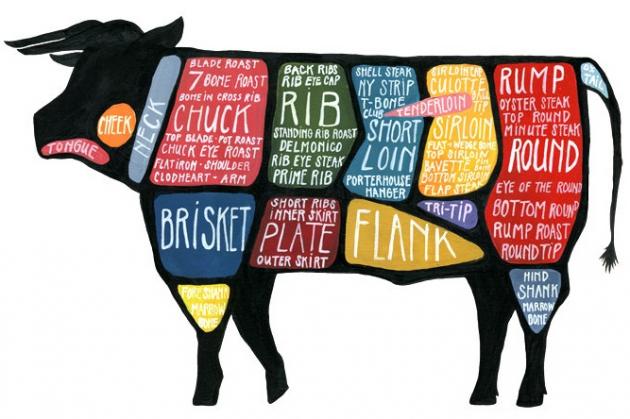
Just kidding! Below is a helpful diagram that shows an overview of items and cuts to consider when you indulge in Nose to Tail dining:

http://baby-recipes.com/wp-content/uploads/2014/01/beef3.jpg

Enjoy the experience!

Camilla Carboni

@camillacarboni | camillacarboni.com

Citrus Salad Dressing

Standard

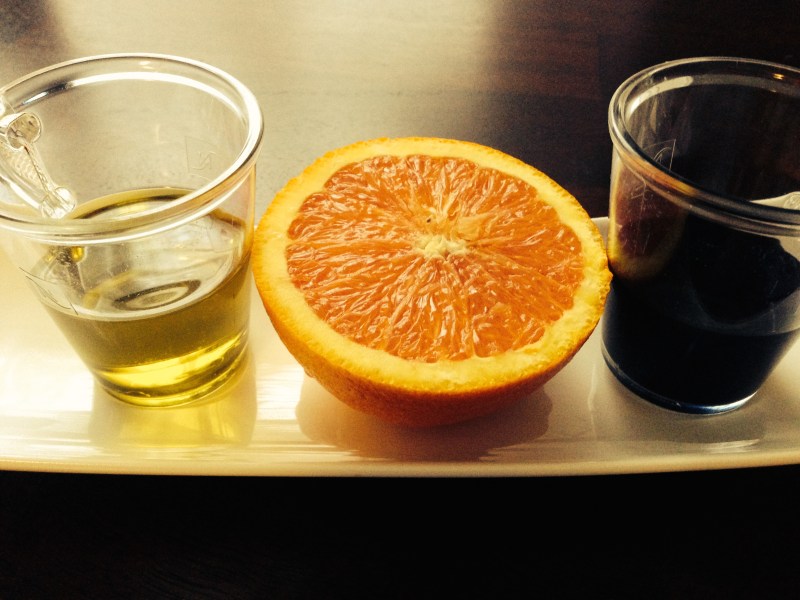
Salad dressing (especially the oil based kind) seems like one of those innocent items that can’t possibly contain anything harmful, right? Wrong! Most store-bought salad dressings are made with vegetable oils, soy and preservatives.

The good news is that salad dressing really isn’t that hard to make, especially this super easy, yet super delicious and oh-so-refreshing Citrus recipe. You can serve it atop just about any summer salad. It involves a grand total of three ingredients, takes about one minute to make and can be bottled and refrigerated for a few days.

INGREDIENTS

1/4 cup freshly squeezed orange juice
1/4 cup extra-virgin olive oil
1/4 cup balsamic vinegar

RECIPE

In a jar or blender bottle, add all three ingredients.
Close the jar/bottle and shake for about 10 seconds.
Pour over salad or refrigerate and enjoy later (always shake gently before serving).

Citrus Salad Dressing Bowl

That’s it! Now you can get on with your summer and still eat like a king.

Camilla Carboni

@camillacarboni | camillacarboni.com

Watermelon Smoothie

Standard

Contrary to popular believe, the watermelon is not all water and little else. Watermelons have a good amount of vitamins, minerals and essential amino acids.

When picking a watermelon, go for one that is fully ripe: typically one that has darker skin and darker flesh. The riper the watermelon the more lycopene it provides. Lycopene is a phytonutrient that supports cardiovascular health.

http://www.organicfacts.net/wp-content/uploads/2013/05/watermelon2.jpg


Another content of the watermelon that is currently being researched due to scientific interest is citrulline. Citrulline converts to arginine in the body, which assist with blood flow. It’s thought that the more arginine produced the less fat can be stored in cells, consequently helping with detoxification and weight loss.

Benefits aside, watermelon makes for a refreshing summer treat and in this nutrient-packed smoothie, provides natural energy to get you through the day.

INGREDIENTS

1 cup watermelon
1 small banana
1/4 cup blueberries (fresh or frozen)
1 teaspoon Chia seeds
Ice

RECIPE

Place the ice cubes in a blender and blend until crushed.
Add the banana, watermelon, blueberries and Chia seeds and blend for about a minute, until liquified.
Pour into a large glass or to-go cup and enjoy while cool.

Quick, tasty and nutritious. Drink up!

Camilla Carboni

@camillacarboni | camillacarboni.com

Date-Nut Loaf

Standard

“A loaf of bread, a jug of wine and thou”, said Omar Khayyam. I think he had it right! Only a loaf of bread in the traditional sense is largely comprised of wheat flour and yeast, two Paleo-unfriendly items.

Fear not, thanks to a lot of experimentation, this Date-Nut Loaf came to life and provides a healthy, Paleo alternative that’s protein-rich and full of fiber.

It’s the perfect loaf to enjoy as a snack, as the carbohydrate portion of a breakfast sandwich filled with Agave Spiced Sausage, or in English-style with the accompanied of freshly brewed tea.

INGREDIENTS

1/2 cup walnuts
1/2 cup dates
1/2 cup coconut flour
1/2 cup coconut oil
1 shake salt
1/2 teaspoon baking soda
1/4 teaspoon vanilla essence
4 large eggs

RECIPE

Pre-heat the oven to 325 degrees F.
Place the walnuts and dates in a food processor and pulse for about one minute, until finely chopped.
Add all the other ingredients to the food processor and pulse for approximately 2 minutes, scraping down the sides as necessary to ensure the mixture is well blended.
Pour the mixture into a coconut oil greased bread baking dish, pressing down to smooth the mixture into a loaf shape.

Date-Nut Loaf Pre-Cooked
Place the dish in the oven for 25 to 30 minutes, or until a skewer poked through the center of the loaf comes out clean.
Remove from the oven and let cool for at least 10 minutes before removing from the pan. Please note that due to the lightness of coconut flour, the loaf is very light and fluffy. Lift carefully to avoid crumbling, or slice while still in the bread dish. (You can also make mini loaves if you prefer to avoid the extra step of slicing).
Slice and serve immediately, plain or with grass-fed butter; or place in a dry place inside an airtight container and enjoy within four days.

That’s a Paleo loaf, plain and simple!

Camilla Carboni

@camillacarboni | camillacarboni.com

Paleo Breakfast Demos in the Spotlight

Standard

What’s our absolute favorite part of Cooking Demos? Our wonderful audiences of course!

A big thank you to all of you fabulous supporters who joined us for one of our Paleo Breakfast Cooking Demos within the last month.

As always, cooking with the Paleo Community is a great way to spend our evenings. We love hearing all your incredible stories and life-changing transformations, and we are so thankful to you for your ongoing support and excellent suggestions.

Just incase you weren’t able to make it, or you would like quick access to the digital copies, here are the recipes that were featured in the Paleo Breakfast Demos:

 Apricot Muffins

Paleo Apricot Muffins

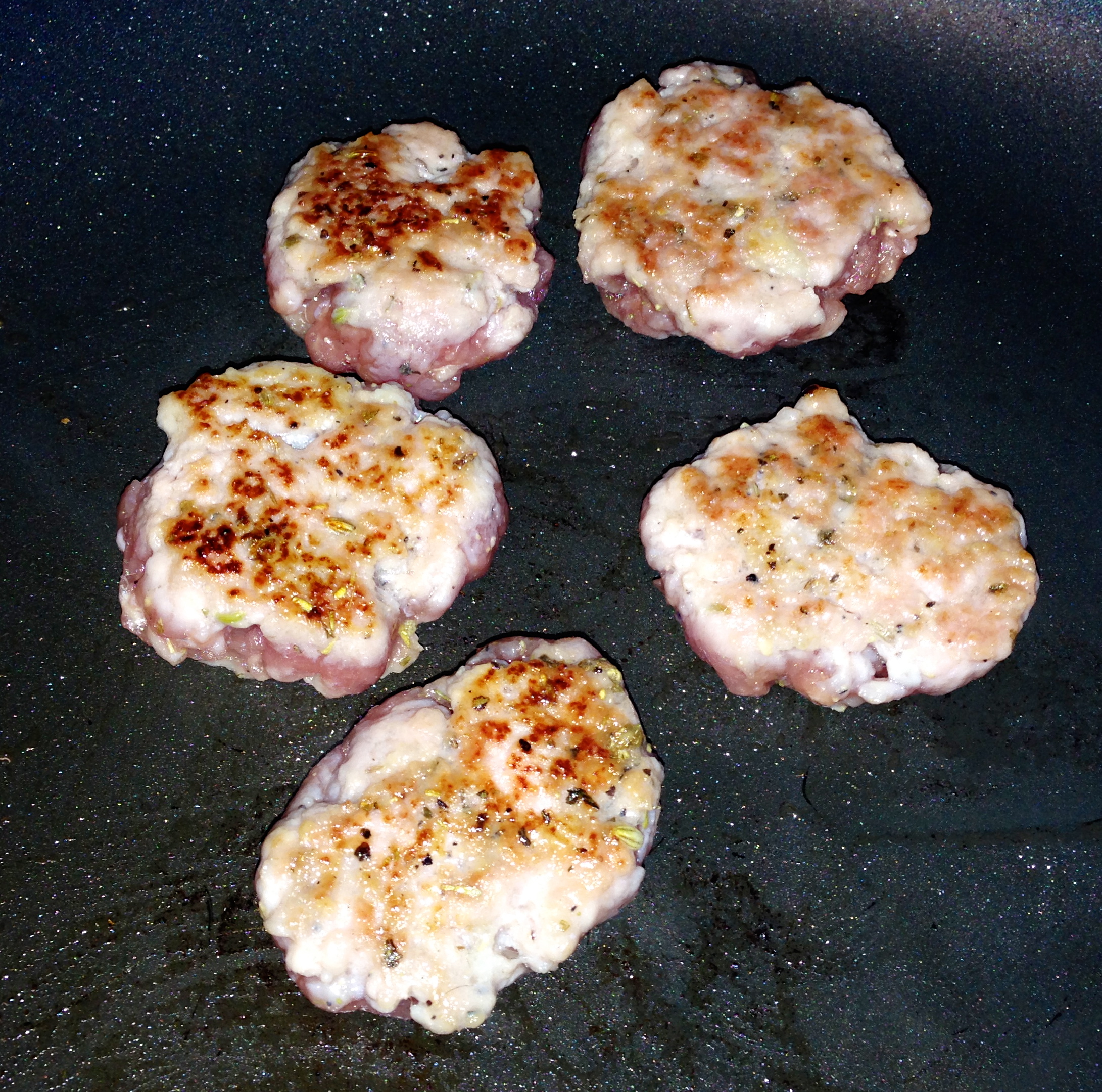
Agave Spiced Sausage

Breakfast Patties

Caprese Baked Egg

Caprese Baked Egg

Stay tuned for the dates of our gluten-free, egg-free Paleo Brunch Demo coming up soon. Pancakes are on the menu!

We hope to see you then,

Melissa and Camilla

thepaleopact.com | @thepaleopact

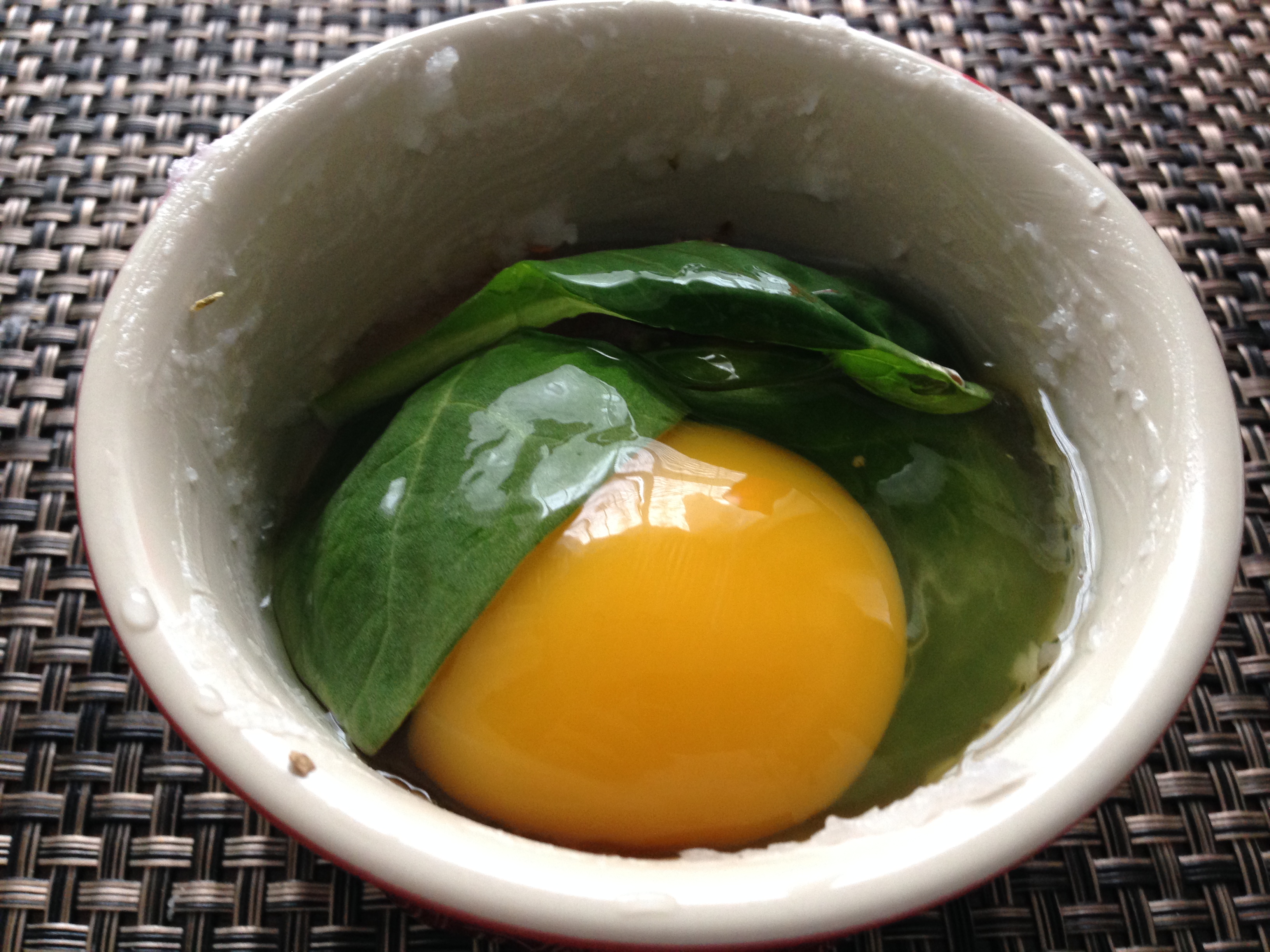
Caprese Baked Egg

Standard

“What nicer thing can you do for somebody than make them breakfast?” ~ Anthony Bourdain

This breakfast favorite and featured item at our most recent Cooking Demos is Italian-inspired, vitamin-packed and incredibly easy to make:

INGREDIENTS

1/4 teaspoons coconut oil
1 thick slice fresh organic tomato
1/4 teaspoon oregano spice
3-4 fresh baby spinach leaves
1 large organic, free range egg

RECIPE

Preheat the oven to 450 degrees F.
Grease an oven-compatible egg ramekin with the coconut oil.
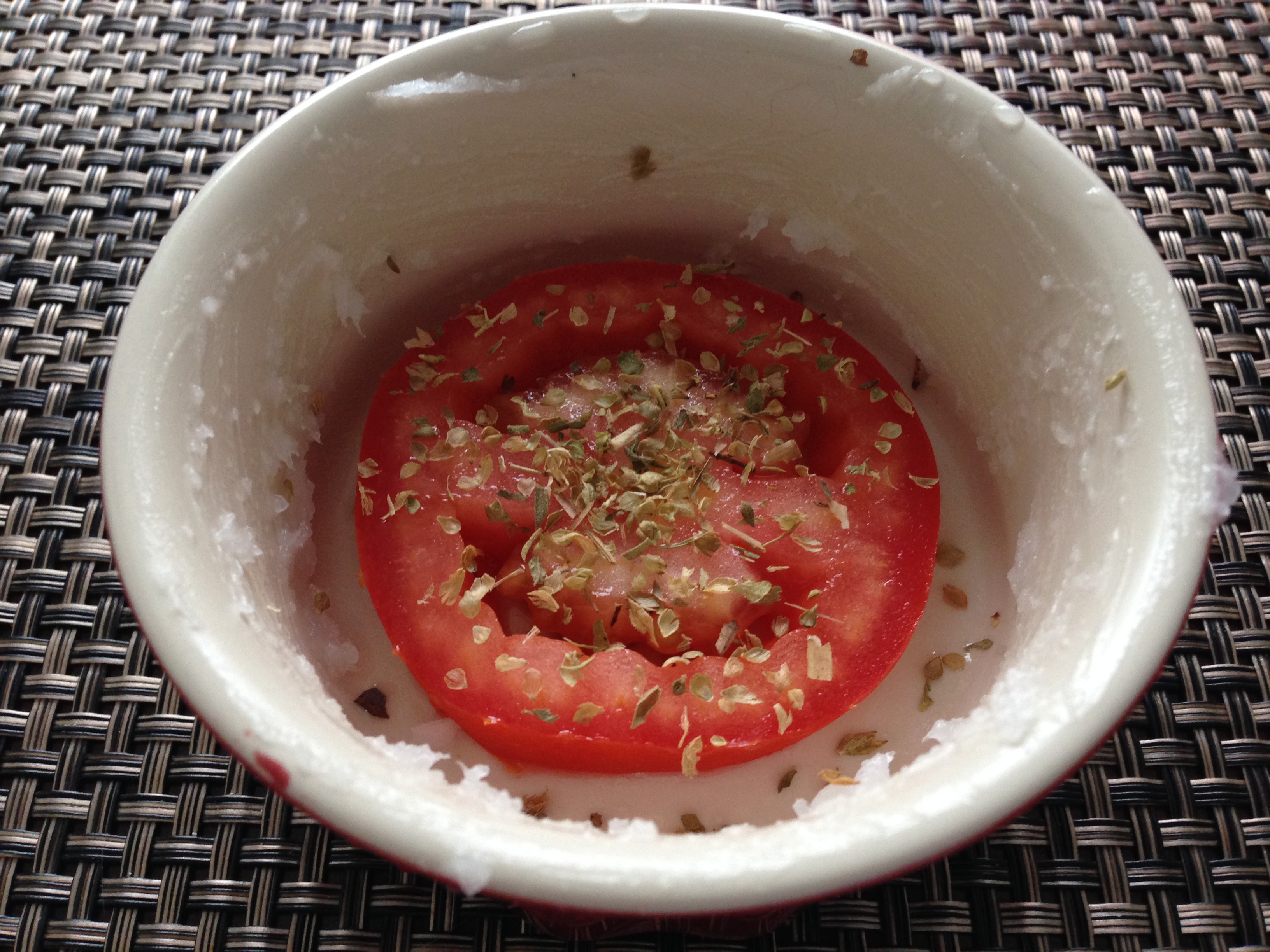
Place the slice of tomato at the bottom of the dish and sprinkle with oregano.

Caprere Baked Egg Stage 3
Top the tomato with spinach.
Crack the egg on top of the spinach.

Caprese Baked Egg Stage 5
Place in the oven for 11-13 minutes for a soft yolk, or 13-15 minutes for a hard yolk.
Remove from the oven and then, using a knife, lift the egg dish out of the ramekin (being careful not to burn your hands).
Serve hot alongside some nitrate-free baked bacon!

Now that’s a good start to the day…and may it only keep getting better…

Camilla Carboni

@camillacarboni | camillacarboni.com

Paleo and Alcohol

Standard

We get asked about alcohol a lot, so we thought it was time to share our thoughts on drinking alcohol on the Paleo Diet in a blog post.

The most popular question we get is of course, “Can you drink on the Paleo Diet?”

We always like to answer that with a smile and, “Would we do this if we couldn’t?!”

Joking aside, while the stricter schools of Paleo do not believe alcohol consumption to be a Paleo practice and we ourselves are not promoters of regular drinking on any diet, we don’t think that a drink for enjoyment now and then should be frowned upon–after all, life is meant to be enjoyed–so don’t deprive yourself. That said, your Paleo Diet food Pyramid should definitely not look like this:

http://www.desertcrossfit.com/blogs

What it comes down to however, is making healthy choices. On a modern Paleo Diet the same principles apply to alcohol as they do to food. That means steering clear whenever possible of the Paleo-unfriendly food groups and items such as wheat, white potatoes and refined sugar. What does that mean in alcohol terms? It means avoiding wheat beers, liquors like vodka that are made out of white potato, and sugary cocktails or mixers that typically have large amounts of cane sugar. Try and limit your alcohol consumption to gluten-free beers, ciders with low sugar content and wine.

You may also experience a lowered tolerance for alcohol since following the Paleo lifestyle, as you are no longer consuming large quantities of carbohydrates which help absorb alcohol. Just tell people you’re a bargain for a date! But in all seriousness, because of this you may find yourself feeling the effects of alcohol faster, so please be careful. You may also find that the natural sugar in most wines, for example, causes blood sugar spikes and, if enjoyed too late at night, may hinder your ability to sleep soundly.

It’s a personal decision as to how you feel about incorporating alcohol into your Paleo Diet and an equally personal experience as to how your body copes with it.

Our advice is to listen to your body and, if you do choose to indulge, try to limit your indulgences to the more Paleo-friendly alcohol choices.

Some other great sources of information are as follows:

 For Dummies Guide to How Alcohol Fits into the Paleo Diet

Loren Cordain’s One Tequila, Two Tequila, Three Tequila…Primal!

The Paleo Effect’s Paleo Alcohol Guide


Choose well and drink responsibly,

Camilla Carboni

@camillacarboni | camillacarboni.com